
Audio Learning for Students: How to Remember More
VoxLibro Admin
· 5 min read

Reading the same notes again and again gets old fast. It doesn't always help you remember more. Audio learning for students offers a different path. It turns written notes into something you can listen to instead of stare at. This guide explains why listening works so well for memory. It also shows you simple techniques to build it into your routine.
Audio Learning for Students: What It Actually Means
Audio learning for students means listening to material instead of reading it. This can include lectures, podcasts, or notes turned into speech. Listening frees up your eyes, so you can study during a commute, a workout, or a chore. As a result, this kind of listening-based studying turns dead time into extra review time you'd otherwise lose.
Why Listening Helps Memory
Dual Coding and Repetition
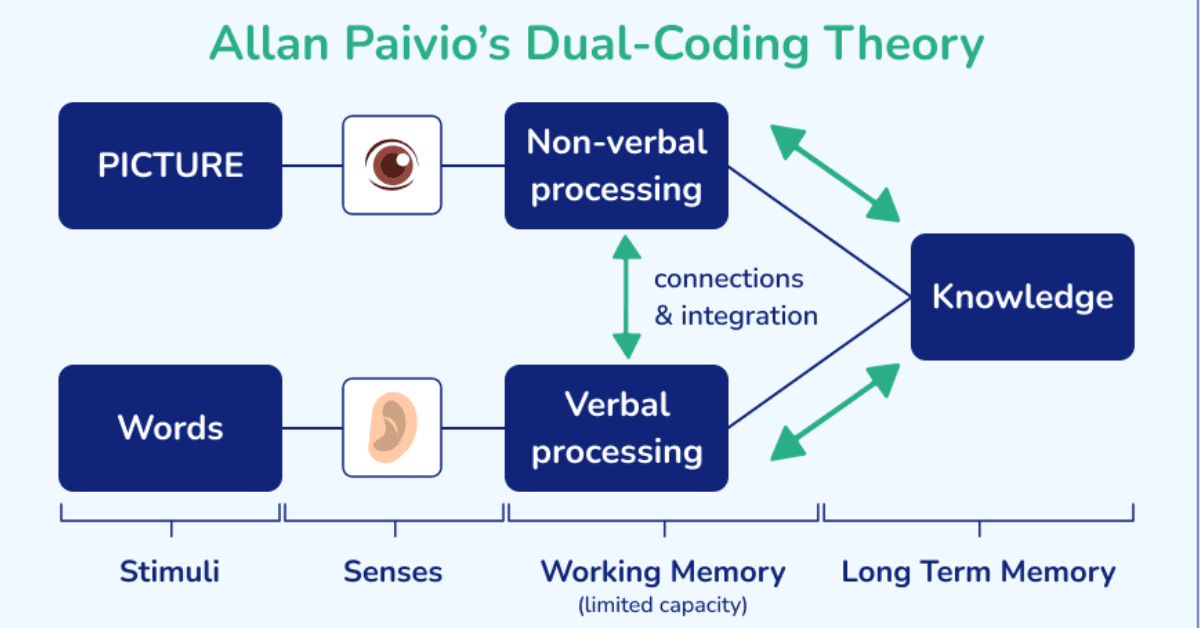
Psychologists call this idea "dual coding." It means combining two ways of processing information. Reading and listening together stick better than either one alone. Educational psychologist Richard Mayer's research on multimedia learning supports this idea. His work suggests that people learn more deeply when information reaches them through more than one channel at once, rather than through text alone. This is one of the clearest benefits of audio learning. It adds a second channel for the same material to sink in. For example, hearing your notes after already reading them once helps the content stick. Repetition gets easier too, since replaying a clip is faster than flipping back through pages. As a result, review naturally happens more often than it would with reading alone.
A Steady Pace Forces Focus

Spoken review moves at a fixed pace, and you can't skim it the way you skim a page. Because of this, solid audio learning strategies often catch details that a rushed reading session would miss. Silent reading, in contrast, makes it easy to drift, and you can reread the same line without really absorbing it.
Who Benefits Most from Listening-Based Study
- Commuting students who lose an hour or more a day to travel
- Auditory learners who process spoken information well
- Students with dyslexia or reading difficulties
- Anyone reviewing the same material several times before an exam
- Multitaskers who want to study while exercising or doing chores
Auditory learning for students isn't just for one type of learner. Even strong readers gain from a second review pass through spoken material.
How to Study by Listening: Techniques You Can Start Today
Convert Notes Into Audio
One of the simplest audio learning techniques is converting your own notes into speech. A text-to-speech app for Android can turn typed or pasted notes into speech in seconds. No recording is needed.
Read PDFs Aloud Instead of Scanning Them
Textbook PDFs and research papers are hard to review on a small screen. Learning how to read PDFs aloud on Android turns a dense document into something you can listen to on a walk. No more squinting at your phone.
Pick a Consistent Listening Slot
Choose one time of day to listen. Don't rely on memory alone to make it happen. Commutes, workouts, and chores work well, since your hands and eyes are already busy during these times.
Adjust Speed to Match the Material
Slow down for hard topics, like formulas or new vocabulary. Speed up for easy review, like terms you already know well. This flexibility is one of the biggest advantages spoken review has over fixed-pace reading.
Tools That Make This Easier
You don't need special equipment to start. A phone, headphones, and a good app cover most needs. VoxLibro, for example, includes features built for this exact use case:
- Offline speech support, so a weak signal won't interrupt a session
- Adjustable speech speed for different types of material
- Voice preview, so you can pick a voice that's easy to focus on
- Reading statistics and a reading streak to track consistency
- Clipboard detection, so pasted notes are ready to convert instantly
Want to compare more options first? This roundup of the best free text-to-speech apps for Android breaks down how a few popular apps stack up.
Building This Into a Full Study System

Listening works best alongside other tools, not on its own. For a broader look at pairing this with note apps, flashcards, and focus tools, see this guide. It covers the best apps for students to study smarter.
Want a full routine built just around listening? This earlier post on how to listen to study notes instead of reading them walks through it step by step.
Common Mistakes to Avoid
- Listening passively, without taking any notes on what you hear
- Playing audio at full speed for brand-new, unfamiliar material
- Relying only on listening for visual subjects, like geometry or anatomy
- Studying in noisy places without headphones, since this hurts focus
Frequently Asked Questions
Does listening actually help students remember more?
Yes, for many students. It adds a second way to process information, which researchers call dual coding. Repeated listening also supports long-term memory.
Is listening better than reading?
Not better, just different. It works best as a supplement to reading, and it helps most with review, repetition, and subjects with heavy text.
What is the easiest way to start?
Convert your notes into speech with a text-to-speech app. Then listen during downtime, like a commute or a workout.
Conclusion
Audio learning for students isn't about replacing your textbook. It's about adding a second way to review the same material. Convert your notes, pick a consistent listening slot, and adjust the speed to fit what you're studying. With a few simple audio learning for students habits in place, dead time throughout your day becomes real, effective review. No extra hours get added to your schedule.